How to Photograph and Explore Shibuya Crossing: Observation Decks and Walking Routes
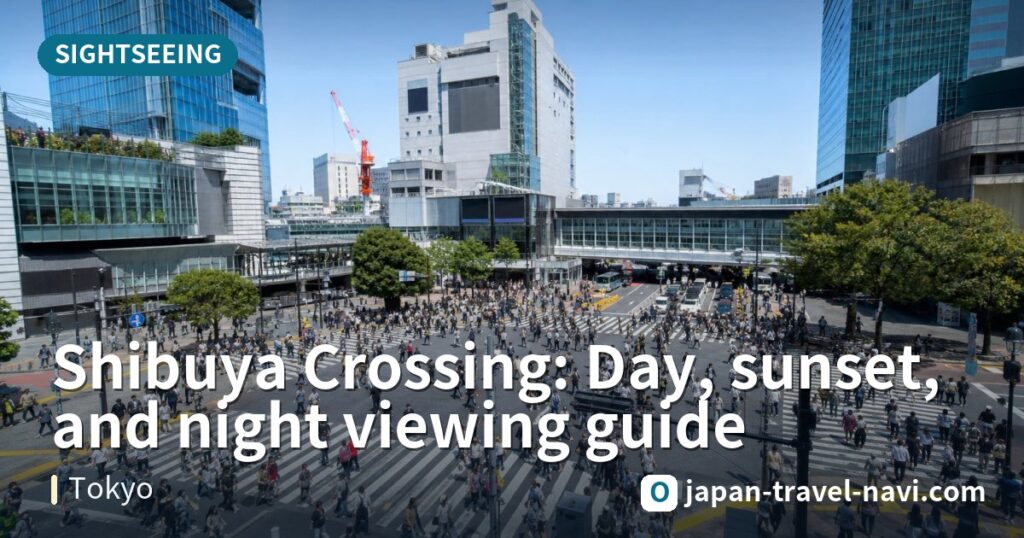
Shibuya Crossing is ideal for first-time Tokyo visitors who want to experience the city’s hustle and bustle in half a day. Plan to spend about 3–4 hours here. Arriving around late afternoon is recommended so you can see the crossing in three different moods: daytime, sunset, and night lights. If you only want to photograph the crossing itself, 30 minutes is enough; add observation decks and a neighborhood walk for a longer visit.
Contents
How to View the Crossing: Walk First, Then Find Higher Ground
Start at Hachiko statue near Shibuya Station. When the light turns green, cross with the crowd to experience the crossing from ground level. Next, move to a higher vantage point. You have three options: upper floors of department stores facing the crossing, window seats at cafés, and pedestrian walkways around Shibuya Station. Access to walkways and viewing restrictions may change, so check the latest official information before your visit. When photographing, stand in a safe position for pedestrians—don’t stop in the middle of the zebra crossing. The green light window is short, and you may block foot traffic behind you.
Choosing an Observation Deck: Daytime, Sunset, or Night
SHIBUYA SKY, the observation deck on top of Shibuya Scramble Square, is a popular choice and usually requires advance time-slot reservation. Check the official website before visiting. Consider these options:
- Daytime: Clear views let you spot landmarks like Shinjuku and Tokyo Skytree on fine days. Best for those wanting a complete city overview.
- Night: High light density creates great photo atmosphere, but weekends are more crowded.
- Around sunset: Highly recommended. Arrive about one hour before sunset to enjoy daytime views, then watch the sky turn dark.
On rainy or foggy days, visibility is limited. Consider browsing the mall first, then head up once the weather clears.
Neighborhood Walking Route: About 2 Hours
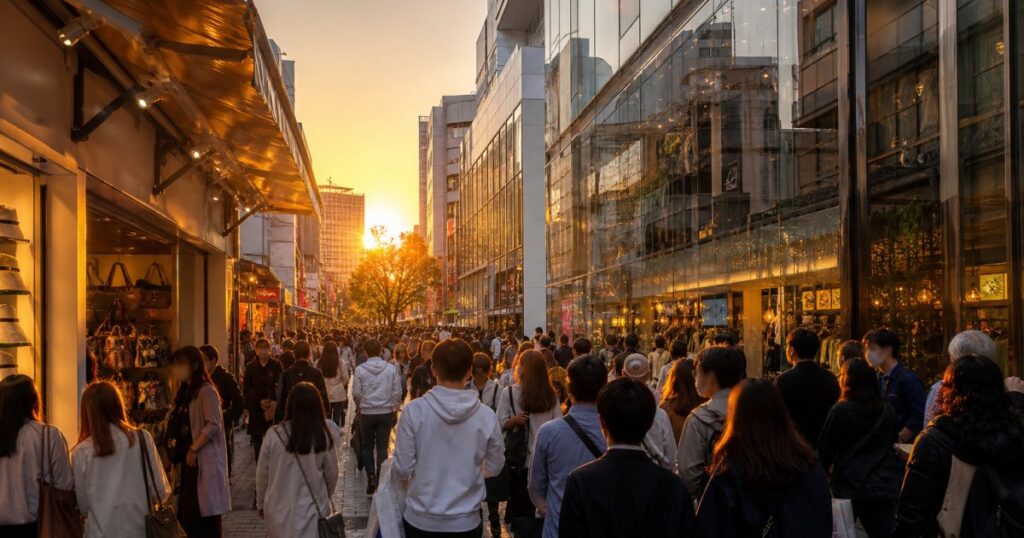
Follow this route: Hachiko statue → Shibuya Crossing → Shibuya Center-gai (Sentergai) → Miyashita Park → Cat Street (Omotesando) → Harajuku. The walk from Shibuya to Harajuku takes 20–30 minutes. The area is lined with clothing shops and small boutiques—perfect for leisurely browsing. If tired, take JR or the subway back from Harajuku or Omotesando; you don’t need to return to Shibuya. On rainy days, explore nearby department stores and shopping centers instead, which keep your route unaffected by weather.
Weekend Crowd Tips
Saturday and Sunday afternoons through evening see the heaviest foot traffic—both the crossing and Center-gai will be packed. For a more spacious shot, visit on weekday evenings or weekend mornings. During events like Halloween or New Year’s, the area may have crowd-control measures and restricted stopping times. Check official announcements beforehand and avoid late-night outings during these periods. When it’s crowded, wear your backpack in front, agree on a meeting point with companions (such as near Hachiko or a specific exit), and confirm exit numbers before arriving.
Transportation and Trip Tips
- Getting there: Shibuya Station is a major hub for JR, Tokyo Metro, and private railways with many platforms and exits. Confirm your destination exit before leaving the station to avoid unnecessary detours.
- Don’t drive: Roads around Shibuya are congested with limited parking. Taking the train is far more convenient.
- Allow transfer time: Station transfers sometimes require walking and climbing stairs. Plan 10–15 minutes of buffer time, especially important if you have an observation deck reservation slot.
- Don’t schedule your reservation too tightly: Observation decks manage access by time slot. Arrive early and wait near the mall to avoid last-minute entrance searches.
- Store luggage first: Carrying large bags through crowds is inconvenient. Deposit luggage at your hotel or station lockers and travel light.
- Avoid evening rush on the return: Late-night trains after viewing night scenery can be crowded. Leave slightly earlier or later for a more comfortable ride, or consider taking the train from Harajuku or Omotesando instead.
This article was compiled and written by the Japan Travel Navigation Editorial Team. Attractions and transportation information may change. Please check the latest official announcements from relevant facilities before your visit.
Please refer to the latest official information for current conditions.
This article was translated from our Traditional Chinese edition.
Related reading



More from Tokyo
More Christmas Shopping Pop-up at Ichigaya Station (Toei Shinjuku Line) Nov 25–Dec 26
 Nov 22: 20th Bakuretsu Festival – Airsoft & Tactical Gear Showcase
 Nov 28–29 Ikebukuro Sunshine City Furniture Clearance Sale – Free Entry
 Marunouchi Building’s RIMTAE Debuts Black Tea Blooming Tea with Peony and Chrysanthemum