Kyoto Wagashi and Tea Ceremony Experience Guide: Seasonal Artistry, Etiquette, Booking and Souvenirs
Planning a wagashi and tea ceremony experience in Kyoto works best as a half-day outing: allocate 1.5 to 2 hours for a tea ceremony experience, then spend 1 to 2 hours browsing wagashi shops. Weekday mornings or early evenings are ideal to avoid midday crowds and weekend rush during peak seasons.
Contents
Jōnamagashi: A Bite of the Season
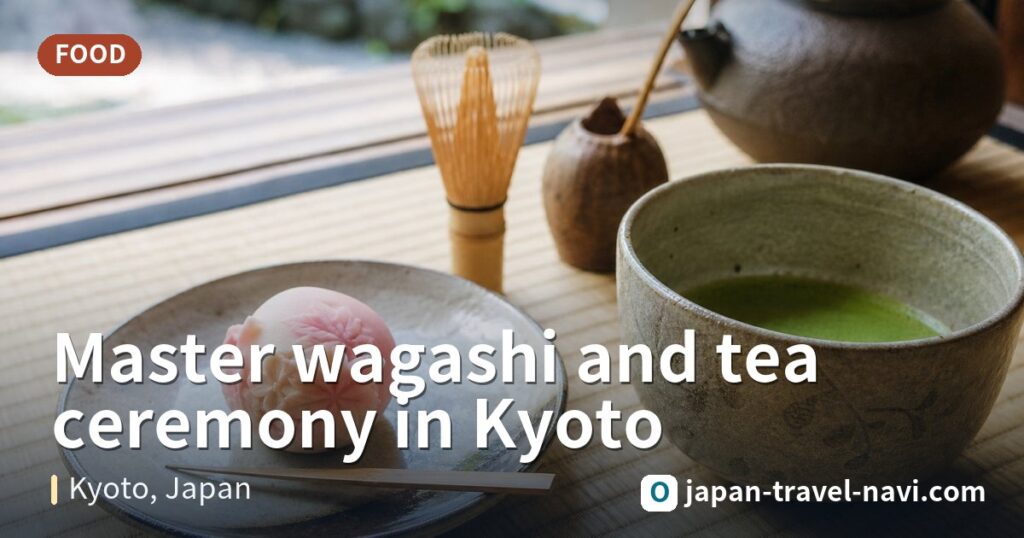
Jōnamagashi (premium fresh wagashi) is the most refined choice served at tea ceremonies. The most common type is nerikiri—delicate confections crafted from white bean paste shaped and colored by hand. Artisans use color and form to represent the season: spring features cherry blossoms and new buds, summer brings cooling designs like translucent kudzu-based sweets, autumn showcases maple leaves and chestnuts, and winter evokes camellia flowers and snow.
When selecting, don’t rush to eat right away—first notice the connection between the name and the shape. Shop staff are usually happy to explain. Most jōnamagashi should be eaten the same day or the next day at the latest. It’s best to enjoy them in-store or during the tea ceremony. If you’re taking some home, choose varieties with longer shelf lives.
Wagashi with Matcha: Small Gestures of Courtesy
The basic order is to eat the sweet first, then drink the tea. The sweetness of the confection softens the bitterness of matcha, so finish the sweet before the tea is served.
- If the sweet comes with a kuromoji (a small wooden pick-like knife), cut it into small pieces before eating—there’s no need to consume it in one bite.
- Without a utensil, use kaishi (small paper used at tea ceremonies) to hold it. If not provided, a handkerchief or tissue works as an alternative.
- Before picking up the tea bowl, give a small nod to those beside you. Then cradle it with both hands, and following the host’s or instructor’s guidance, rotate the bowl to avoid drinking directly from the front. Rotation methods vary slightly by school—just follow the guidance given on the day.
- After drinking, take a moment to admire the bowl’s shape and patterns—this is part of the tea ceremony’s enjoyment.
How to Choose and Book a Tea Ceremony Experience
A typical tea ceremony experience flows as follows: arrival, changing into clean socks, brief instruction, watching the tea preparation, enjoying sweets and matcha, and sometimes the chance to whisk your own bowl.
- Book early: Popular experiences fill quickly during cherry blossom and autumn foliage seasons. Once your itinerary is set, check booking options right away—don’t wait until the week before.
- Confirm the language: Some sessions offer English instruction. Ask about this when booking so the experience runs smoothly.
- Clothing and accessories: Wear pants or long skirts that allow comfortable seating on the floor, with socks free of holes. Remove watches and rings to avoid scratching the tea bowl, and avoid strong perfume.
- Seiza discomfort is common: Let staff know if sitting on your heels is difficult—most can usually arrange a more relaxed posture.
Check the official website before you go to confirm the meeting point and cancellation policy.
Wagashi to Take Home: Choosing Souvenirs
Best for travel are varieties with longer shelf lives that withstand transport:
- Higashi (dry wagashi): Crispy, dry sweets with delicate shapes—great for gifts and easy to share with multiple people.
- Yatsuhashi: A Kyoto specialty—thin crispy cookies with cinnamon or filled versions are common. Fresh yatsuhashi has a shorter shelf life, so check the label before buying.
- Yōkan and mochi sandwiches: Yōkan (bean paste bars) keep well. Individually wrapped mochi sandwiches are convenient for sharing.
- Matcha powder and tea: Pair with sweets as gifts. Matcha from the Uji area is particularly renowned.
Shopping strategy: visit your tea ceremony experience in the morning, have lunch, then browse wagashi shops afterward. Buy souvenirs last to avoid carrying them too long. Gion and the Kiyomizu-dera areas are walkable clusters. On rainy days, explore shops inside Kyoto Station. Always check your country’s food import regulations before returning home.
Travel Tips
- Kyoto’s city buses are often crowded during peak season. Use the subway plus walking as your main transport. Travel from Kyoto Station to Gion takes about 15 to 25 minutes depending on traffic and transfers.
- When booking a tea ceremony, build in about 30 minutes of buffer time before and after your appointment. Late arrival may result in being turned away.
- Buy souvenirs last. If luggage is heavy, store bags in a locker at Kyoto Station before heading to your next destination.
- Fresh wagashi is safest eaten the same day. In summer, ask the shop about shelf life and whether a cooling pack is needed.
- If you’re not used to seating on your heels, do some light calf stretches beforehand and wear socks and shoes that are easy to remove.
- On rainy or very hot days, swap outdoor spots for indoor tea rooms or department store wagashi sections—your itinerary won’t be disrupted.
This article was prepared by the Japan Free Travel Information editorial team. Attractions and transport details may change. Please verify the latest information from each facility and official sources before your trip.
Please refer to the latest official announcements for current details.
This article was translated from our Traditional Chinese edition.