Kyoto Early Morning Strategy: Temples, Photography & Itinerary Planning

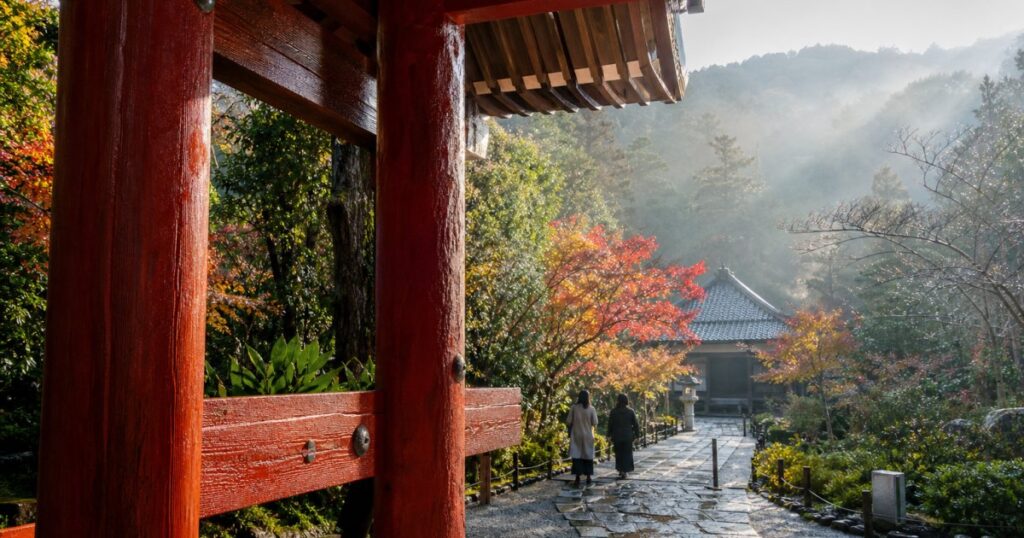
To avoid Kyoto’s crowds while capturing clean photos, early mornings are your most effective strategy. This approach works best for first-time visitors with 2–3 days, as well as families with elderly members who prefer to avoid congestion. Aim to reach your first site before 8 AM, dedicate 3–4 morning hours to the most popular spots, then switch to indoor or leisurely activities after noon.
Contents
Which temple types are best to visit early
Outdoor shrines and approach paths work best at dawn: the forested trails of Fushimi Inari Taisha, the bamboo grove of Sagano in Arashiyama, and areas around Kiyomizu-dera in the Higashiyama district. These require no indoor entry—you can start walking as soon as it’s light. Conversely, some temples have fixed admission hours for worship and garden viewing. Check official websites before you go; don’t rely solely on “early-bird photo spot” articles online.
Benefits of early morning photography: better light and fewer people
Fewer people means you won’t constantly wait for passersby to leave your frame. Fushimi Inari’s thousand torii gates (Senbon Torii) are best photographed when crowds are thin, allowing you to capture the gates in a clean line. By late morning, the same path often requires queuing to move through. Lighting-wise, bamboo groves and torii corridors are naturally dim, so soft early-morning light works better than harsh midday contrast. Bring a small phone tripod or prop your phone on a railing, and adopt a habit of “shoot your priority shot first, then explore leisurely.”
Crowd differences between morning and afternoon
As a general rule, mornings are “easiest to explore,” while afternoons are “most crowded.” After 10 AM, the slopes between Kiyomizu-dera and Gion, plus areas around Togetsukyo Bridge in Arashiyama, see marked increases in tour groups and school trips. City buses get packed in the afternoon, making it tough for elderly visitors or those with luggage. Reserve mornings for “walking-intensive sites where crowds cause fatigue,” then shift to cafes, museums, or shopping centers in the afternoon. Rainy mornings mean even fewer crowds than sunny days—actually ideal for strolling the stone-paved streets.
How to arrange an early morning itinerary
Here are two practical route options, adjustable based on your accommodation:
- Southern route: Start at Fushimi Inari Taisha, walk the torii approach path halfway up the mountain, then return—about 60–90 minutes. Head back to Kyoto Station area for breakfast and rest. After 10 AM, move to Kiyomizu-dera and Gion, finishing with an evening stroll around Hanami-koji-dori.
- Western route: Begin in Arashiyama with the bamboo path and Togetsukyo Bridge, continue toward Tenryu-ji—plan 2–3 hours total. Return to central Kyoto in the afternoon and visit Nijo Castle or Nishiki Market instead.
Don’t cram both routes into one day. Usually, one early morning route is enough; leave other sites for afternoon exploration at a relaxed pace. Most Nishiki Market shops open later, so schedule them for late morning or afternoon, not at dawn.
How to avoid early mornings feeling forced
Check the first train or bus times the night before and have luggage, transit cards, and rain gear ready. You’ll likely tire in the second half of an early morning outing, so schedule 1–1.5 hours of midday rest or a quick hotel break. If you’re not feeling well that day, reschedule early sites for the next day—don’t push yourself for the sake of your itinerary.
Travel Tips
- Early mornings rely on trains: reach Fushimi Inari via JR Nara Line from Kyoto Station in about 5 minutes; get to Arashiyama via JR Sagano Line in about 15–20 minutes. Check official schedules before departure for current timetables.
- For Kiyomizu-dera and Gion, take city buses or Keihan Railway with a short walk. Buses run smoothly in early morning, but get crowded after 10 AM—depart early.
- Confirm the first train time the night before; don’t wait until you leave. If you have heavy luggage, leave it at Kyoto Station or your hotel and travel light.
- Mountain trails and stone paths are slippery and dimly lit at dawn; wear slip-resistant, sturdy shoes and bring a phone flashlight. Don’t rush.
- Early sites may lack breakfast options, so prepare simple food and water at your hotel or convenience store beforehand—avoid climbing on an empty stomach.
- If it rains or crowds are heavier than expected, switch outdoor sites to afternoon and start with indoor attractions instead—don’t force your original plan.
This article was compiled and written by the Japan Travel Navi editorial team. Attraction and transportation information changes; please verify details with each facility and official announcements before departure.
Always confirm current information from official sources.
This article was translated from our Traditional Chinese edition.